
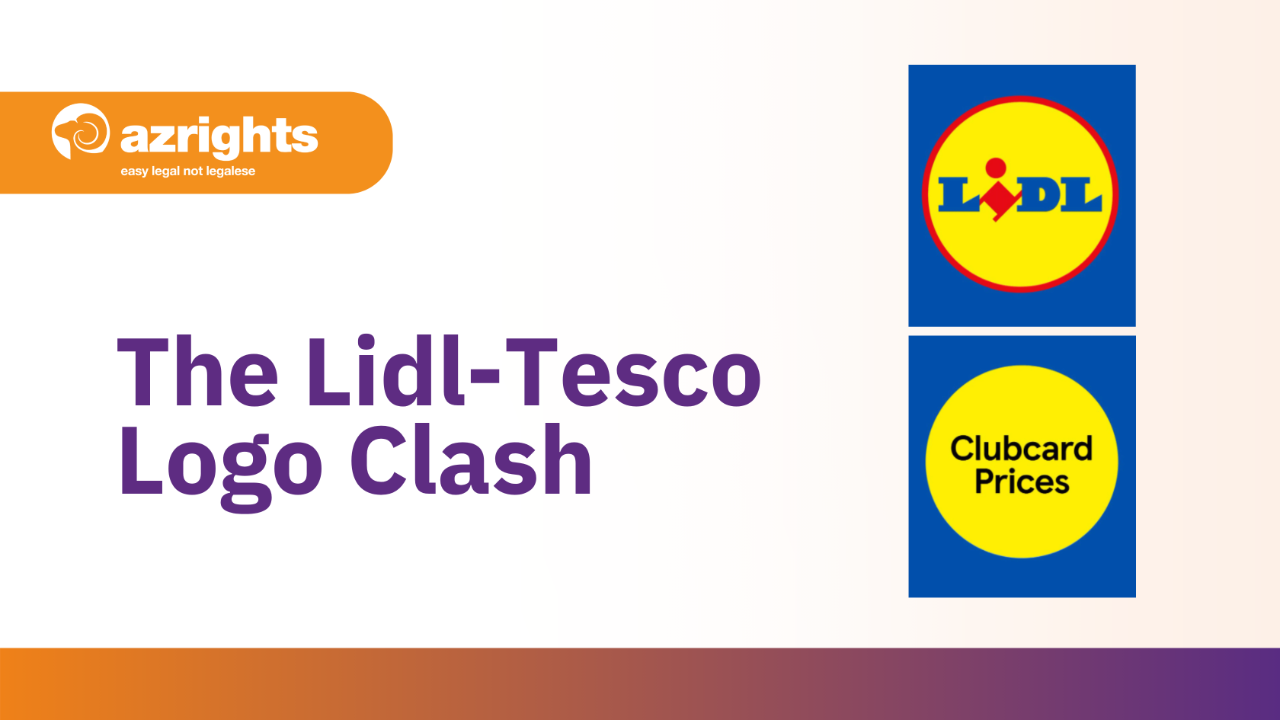
The Lidl-Tesco Logo Clash
When Lidl sued Tesco, it wasn't just a corporate skirmish—it was a landmark moment for anyone who takes their brand seriously. The Court of Appeal decision sent a clear signal about what trademark protection actually means in practice.
What Actually Happened
Lidl had registered two distinct trademarks: a wordless circular mark and the same mark with "Lidl" written inside the circle. When Tesco launched a strikingly similar circular logo design for their brand, Lidl took action. The case made its way to the Court of Appeal, where the judgment vindicated Lidl's position and their registered trademark rights.

This isn't just about two supermarkets; it's a real-world example of how trademark registration protects your business from competitors who might exploit visual similarity to confuse customers.
Why This Matters to Your Business
Trademark infringement cases are expensive and disruptive. Lidl's case demonstrates why many businesses wait too long to protect their brands—they don't realize their logo or mark is at risk until a competitor challenges them.
The lesson: registration is your shield. Without it, you have limited recourse if someone copies or comes close to your brand identity. With it, you have the legal foundation to act decisively.
The Visual Similarity Angle
Tesco's logo bore enough resemblance to Lidl's mark that consumers might reasonably confuse the two. That's the legal test: likelihood of confusion. The Court of Appeal agreed that the visual elements—the circular format and overall design—created genuine infringement risk.
This judgment reinforces what brand strategists know: visual consistency matters, but so does visual distinction. If your logo or brand mark can be easily confused with an existing registered trademark, you're either infringing or building brand equity someone else already owns.
What to Learn for Your Brand
- Register your core visual marks early — Don't wait until you're established. Register both with and without words, in the specific colours you use, and any other distinctive variations.
- Monitor for copycats — Once registered, monitor the marketplace for similar marks. The Lidl case shows that rights holders who act decisively win.
- Understand what "too similar" means — It's not about identical copying; it's about likelihood of confusion. Even subtle similarities across visual elements (shape, colour, positioning) can infringe.
- Protect internationally — If Lidl hadn't registered its mark in the UK, it wouldn't have had a case against Tesco. Registration is territorial.
Common Mistakes Businesses Make
Many companies think registration is optional or that common law rights (using a mark without registration) are enough. They're not. The Lidl case proves that registered rights give you enforcement power that unregistered rights simply don't provide.
Next Steps
If your brand identity is important to your business—and it should be—you need trademark protection. Don't assume a competitor won't eventually test your patience.
Get in touch with Azrights to discuss your trademark registration options, or explore our brand naming service if you're building a new brand from scratch.
