

Don’t Fall in Love With Your Brand Name (Here’s Why)
Apr 24, 2026
The recent decision involving Cambridge University and a local rowing business is a clear example of the importance of understanding the legal principles underpinning naming.
When choosing your business name, it’s not just about creativity or opting for something that resonates with you.
Names built around places seem attractive to some people. They feel descriptive, grounded, and give the impression of substance so customers believe you are more established. Think “London Lawyers” or “Hastings Osteopaths.”
The problem with such names is fundamental though: you can’t stop competitors from also using the same place name. So, by choosing a geographic name, you are effectively inviting the potential for confusion into the marketplace.
Confusion is to be avoided at all costs because it leads to reduced sales and less profits.
From a legal perspective, the most important requirement in naming is ownership. A good name must be one you can uniquely own. That involves meeting two criteria.
The name needs to be legally effective (that is, sufficiently distinctive to be capable of uniquely identifying your business) and available (that is, nobody else must have already registered a similar name as a trademark). So trademark searches are essential, not optional.
The owner of Cambridge Rowing Limited ignored both these fundamentals. The business applied to register CAMBRIDGE ROWING in this figurative trademark.
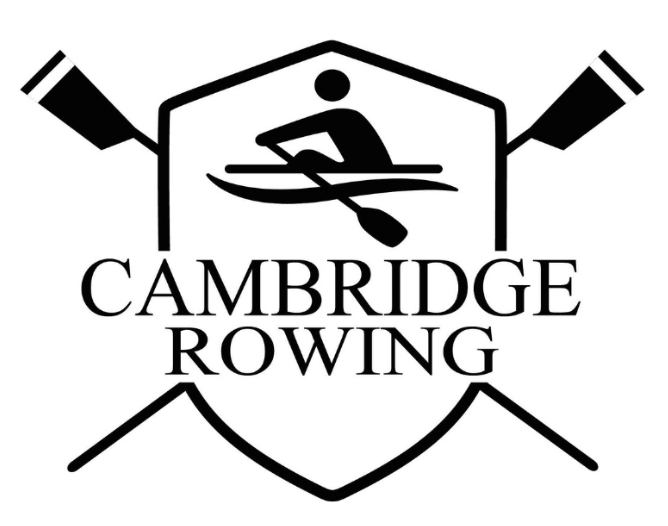
The application was opposed by the University, which owns multiple registered trademarks for “Cambridge” covering, among other things, sporting and educational services.
Most people would surely appreciate that Cambridge University might own some trademarks in the place name, given its heritage. Yet the founder’s view was that no one should be able to “own” the word Cambridge.
Cambridge is an exception to the rule that geographical names are not ownable. The University’s long historical presence in the area has enabled it to secure the word without the addition of ‘university’ for certain goods and services.
Mr Terywall would have found this out if he had done a proper clearance search at the outset when he chose his business name.
The ensuing conflict he encountered was entirely predictable given the University’s long-standing and well-protected trademark portfolio, and use of “Cambridge” in the closely related field of sports training.
Unsurprisingly Mr Terywall’s application, which was filed in 2022, was opposed by the University. Amazingly Mr Terywell opted to go through the full opposition process. The case ran for several years—including evidence rounds and a hearing—before the IPO issued a final decision in February 2026.
The IPO decided that there was a “likelihood of confusion” between Cambridge Rowing and the services provided by the University of Cambridge.
The hearing officer explained that this level of confusion meant Cambridge Rowing would “benefit unfairly” from the university’s long-established reputation, which was the result of “significant investment” and a widely recognised image of prestige built through its achievements. She also found that the business would be “securing a commercial advantage as a direct benefit of the opponent’s reputation”.
On that basis, the IPO refused the trademark application and ordered Cambridge Rowing to pay £2,400 in costs.
Terywall’s reaction was: “To say I’m disappointed is an understatement.” He argued that Cambridge residents would be “outraged” at the idea that one organisation effectively controls use of the word “Cambridge”, saying it does not help the wider city to prosper. He even viewed the opposition as “terrifying” and felt he was being bullied.
This reaction is common among business owners who are new to trademarks. By the time a dispute arises they tend to be too emotionally and commercially invested in their chosen name to take advice and avoid the time and expense of futile legal proceedings for their weak case.
Cambridge Rowing didn’t stand a chance of winning the argument so the owner could have avoided several years embroiled in a dispute. When he first heard that his application was to be opposed, he should have sought advice, and chosen a new name.
The moral of the case is to avoid choosing names based purely on what feels right. Names should be chosen based on what is legally secure.
Instead of falling in love with a name, start by establishing answers to these questions:
- Is it distinctive enough to function as a trademark?
- Is it available? (that is, has anybody else already registered something similar)?
It’s a good idea to get expert advice because the answer to these questions is not easy for people to know if they’re not specialised in trademarks.
 |
|
